
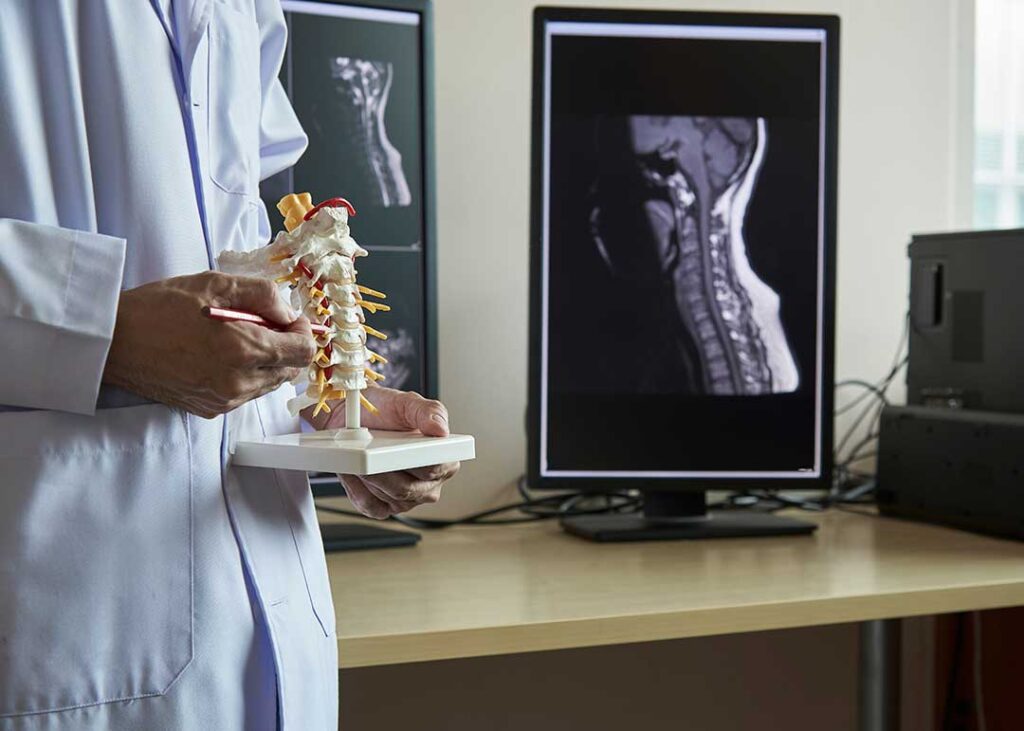
Anxiety can affect thoughts, sleep, concentration, breathing, muscle tension, and daily routines. Chiropractic care may help some people manage physical discomfort or tension that occurs alongside anxiety, but it should not be considered a primary treatment for an anxiety disorder.
The most accurate answer is: chiropractic care may support comfort and movement for some people, but current evidence does not establish spinal manipulation as a stand-alone treatment for anxiety. Established anxiety treatments include psychotherapy—especially cognitive behavioral therapy—and, when appropriate, medication prescribed by a qualified medical clinician. ([apa.org](https://www.apa.org/helpcenter/anxiety-treatment?utm_source=openai))
How can anxiety affect the body?
Anxiety is not only an emotional experience. The body may respond with a faster heartbeat, sweating, dizziness, headaches, stomach upset, shallow breathing, shaking, or chest discomfort. Persistent worry can also lead to tightness in the jaw, neck, shoulders, upper back, or lower back. ([nhs.uk](https://www.nhs.uk/mental-health/feelings-symptoms-behaviours/feelings-and-symptoms/anxiety-fear-panic/?utm_source=openai))
For residents of Valley Stream, NY, physical strain may be influenced by ordinary routines such as long commutes, desk work, carrying children or groceries, household responsibilities, or reduced outdoor activity during cold, wet, or very hot weather. These factors do not cause every anxiety problem, but they can contribute to stiffness and discomfort that make stress feel more intense.
Pain and anxiety can also reinforce each other. Pain may interfere with sleep and activity, while ongoing worry can increase muscle guarding and sensitivity to discomfort. Addressing the physical component may therefore make daily life easier, even when it does not treat the underlying anxiety disorder.
What might chiropractic care help with?
Chiropractic treatment primarily addresses musculoskeletal concerns, such as certain types of back or neck pain, joint stiffness, and movement limitations. If anxiety is accompanied by muscle tension or pain, care focused on mobility, posture, exercise, and other conservative strategies may help reduce those physical symptoms.
Some people also find a quiet, structured health-care visit relaxing. Breathing slowly, taking a pause from daily demands, and receiving guidance about movement may contribute to a temporary sense of calm. However, feeling relaxed after a visit is not the same as treating generalized anxiety, panic disorder, obsessive-compulsive disorder, trauma-related anxiety, or another mental health condition.
Research on complementary approaches for anxiety remains uneven. The National Center for Complementary and Integrative Health identifies physical approaches, including spinal manipulation, among practices studied for anxiety, but the available evidence does not support broad conclusions that these treatments reliably manage anxiety disorders. ([nccih.nih.gov](https://www.nccih.nih.gov/health/anxiety-and-complementary-health-approaches?utm_source=openai))
Can a spinal adjustment directly reduce anxiety?
There is not enough high-quality evidence to say that spinal adjustments directly correct the biological cause of anxiety or provide a dependable treatment for an anxiety disorder.
A person may report feeling calmer after treatment for several reasons: temporary relief of pain, reduced muscle tension, improved confidence in movement, attention away from stressful thoughts, or the natural calming effect of rest. Those experiences can be meaningful, but they should not be interpreted as proof that an adjustment has treated the anxiety itself.
Claims that chiropractic care can “cure” anxiety, balance brain chemistry, or replace mental health treatment go beyond what current evidence supports. A responsible approach describes chiropractic care, at most, as a possible complementary option for related physical symptoms.
When could it be reasonable to include chiropractic care?
Chiropractic care may be considered as one part of a broader plan when a person has a clear musculoskeletal concern alongside anxiety. Examples might include:
- Neck or upper-back tightness associated with prolonged computer use
- Back discomfort that limits walking, exercise, or sleep
- Stiffness after extended driving or sedentary work
- Muscle tension that improves with movement, stretching, or hands-on care

The focus should remain on the physical complaint and functional goals, such as sleeping more comfortably, walking without fear of aggravating pain, or returning gradually to normal activity.
A thorough evaluation should also consider whether symptoms could have another cause. New chest pain, fainting, severe shortness of breath, neurological changes, or unexplained rapid heartbeats should not automatically be attributed to anxiety or muscle tension.
What treatment is better supported for anxiety?
Psychotherapy is one of the best-supported treatments for anxiety disorders. Cognitive behavioral therapy helps people identify unhelpful thought patterns, understand physical reactions, and gradually change behaviors that maintain fear or avoidance. It can be used alone or alongside medication, depending on the person’s symptoms and clinical needs. ([apa.org](https://www.apa.org/helpcenter/anxiety-treatment?utm_source=openai))
Primary care or mental health clinicians can help determine whether symptoms represent an anxiety disorder, a medical condition, a medication effect, or a combination of factors. This matters because anxiety-like symptoms can occur with several health conditions, and self-diagnosis may delay appropriate care. ([nhs.uk](https://www.nhs.uk/mental-health/feelings-symptoms-behaviours/feelings-and-symptoms/anxiety-fear-panic/?utm_source=openai))
Helpful daily measures may include consistent sleep, regular physical activity within personal limits, balanced meals, reduced excess caffeine, paced breathing, and gradual return to avoided activities. These steps are supportive rather than substitutes for treatment when anxiety is persistent or significantly disrupts life.
How should someone use chiropractic care safely?
Anyone considering chiropractic care for anxiety-related tension should be clear about the goal: managing pain, stiffness, or movement limitations rather than treating anxiety directly. It is also useful to share relevant medical history, medications, recent injuries, osteoporosis, neurological symptoms, or other health conditions before treatment.
Care should be coordinated when symptoms are complex. A chiropractor may address musculoskeletal concerns, while a physician, psychologist, psychiatrist, or licensed therapist addresses anxiety symptoms and mental health treatment. These roles can complement one another without implying that one type of care replaces the other.
People should seek prompt medical or mental health help if anxiety is becoming difficult to control, interfering with work or relationships, causing repeated panic symptoms, or leading to thoughts of self-harm. A mental health crisis or immediate danger requires urgent emergency support. ([nhs.uk](https://www.nhs.uk/mental-health/feelings-symptoms-behaviours/feelings-and-symptoms/anxiety-fear-panic/?utm_source=openai))
For local households, the practical takeaway is straightforward: chiropractic care may be useful for physical tension or pain that accompanies anxiety, but it should be viewed as supportive musculoskeletal care—not as a proven stand-alone treatment for anxiety disorders.
