
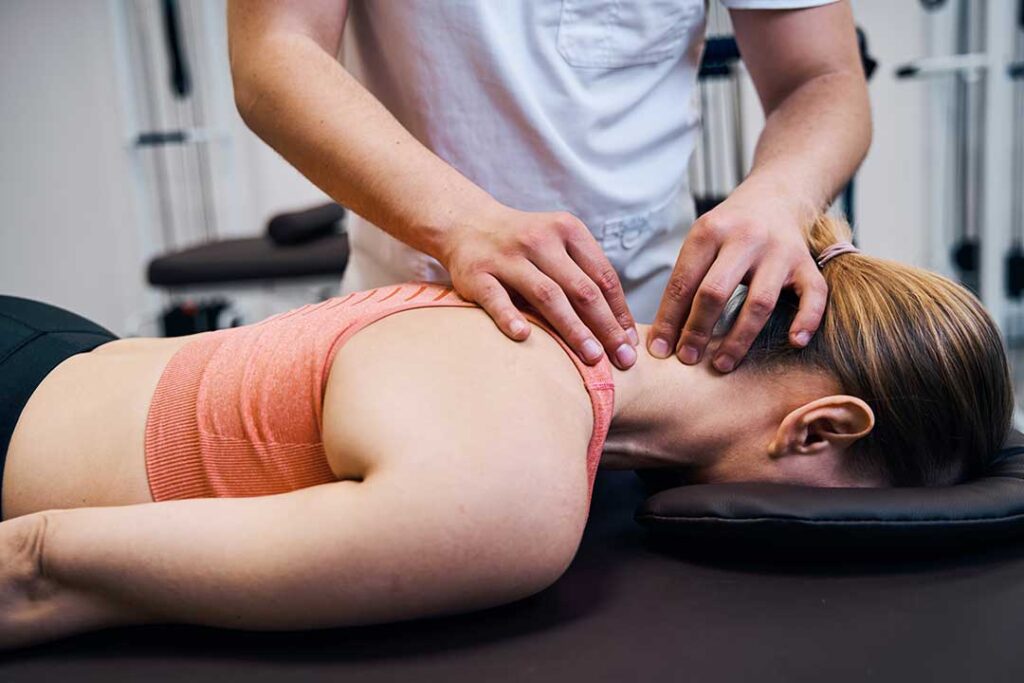
What Is a Subluxation?
A subluxation, in chiropractic terms, refers to a situation where a spinal vertebra moves out of its normal position but does not dislocate completely. This slight misalignment can impact the way nerves communicate throughout the body and may contribute to various aches, discomforts, or functional changes—not just in the back, but elsewhere as well.
Most people in Valley Stream might picture a dislocated shoulder or knee when they hear the word "subluxation," but in spinal health, the word means something far subtler. Subluxations are often microscopic shifts not seen on standard X-rays, but their effects can still be significant in daily comfort.
How Can a Subluxation Affect Daily Life?
Even minor misalignments can have ripple effects on the body. While not all subluxations cause obvious symptoms, some people experience:
- Persistent or recurring back or neck pain
- Limited range of motion or stiffness
- Headaches, particularly tension-type headaches
- Numbness or tingling in the arms or legs
For active Valley Stream residents—whether walking the parks, shoveling after a snowfall, or carrying groceries—these subtle issues can become a hindrance. Sometimes, discomfort is blamed on age, stress, or posture, when spinal misalignment might play a role.
Why Do Subluxations Matter for Overall Health?
The spinal column protects the spinal cord, which is the main communication route between the brain and the rest of the body. When a vertebra is out of place, it can put pressure on nerves exiting the spine or limit their flexibility. Over time, this may affect:
- Muscle strength or coordination
- Organ function—such as digestion or bladder control
- Response to physical or emotional stress
While subluxations are not the cause of every health problem, research in musculoskeletal and nerve health shows that nerve interference can sometimes contribute to or exacerbate other issues, especially if left unchecked.
Are Subluxations Common in Valley Stream Residents?
Many people develop subluxations at some point, regardless of age or fitness level. Common causes include:
- Repetitive motion—like typing, gardening, or lifting
- Slips and falls, especially in icy or wet local conditions
- Poor posture, often from handheld device use or long commutes
- Reactions to stress or fatigue, leading to tensed muscles
Valley Stream's mix of busy commuters, families with young children, and older adults means subluxations can occur due to both daily routines and seasonal changes—such as icy sidewalks in winter or increased outdoor activity in warmer months.
Can Subluxations Go Away on Their Own?
Some subluxations are temporary and may resolve with rest or improved body mechanics. Others might persist and cause ongoing discomfort or limit mobility. Factors influencing recovery include age, overall health, physical activity, and the underlying cause of the misalignment.

Misconceptions exist that a "crack" or sharp adjustment is always needed to correct a subluxation. In fact, many issues work themselves out with gentle stretching, regular movement, or improved posture habits. Persistent symptoms, however, may require a closer look to rule out more serious concerns.
When Should a Resident Be Concerned About a Subluxation?
While many subluxations cause only mild symptoms, there are situations that may warrant evaluation:
- Pain that worsens over several days
- Numbness or weakness that interrupts daily activity
- Difficulty controlling bladder or bowel function
- Recent trauma such as a car accident or hard fall
Most mild cases do not indicate an emergency, but certain symptoms—especially sudden or severe changes—should be assessed to ensure nerve or spinal cord damage is not present.
Practical Steps to Minimize Spinal Misalignments
There are practical, everyday habits that local residents can use to help prevent or reduce subluxations:
- Use supportive footwear, especially in winter or for long walks
- Practice good ergonomics when using computers or phones
- Stretch regularly, focusing on neck and back mobility
- Break up long periods of sitting with short activity breaks
- Use proper lifting techniques, even for light items
These habits are especially valuable for area households living in multi-story homes, commuting long distances, or participating in local youth sports. Taking proactive steps can make a difference in comfort and reduce the risk of long-term issues related to spinal health.
