
Long commutes can place repeated stress on the neck, shoulders, back, hips, and legs. The discomfort often comes less from one dramatic event and more from staying in the same position for too long, reaching awkwardly, carrying uneven loads, or bracing the body during traffic and crowded travel.
For residents of Valley Stream, NY, commuting may involve driving, walking to transportation, standing on platforms, riding in a vehicle, or combining several modes in one trip. The following habits can help reduce strain and make daily travel more comfortable.
Why does commuting cause back and neck pain?
Commuting can cause pain because the body is held in a limited position for an extended period. Sitting with the hips bent, looking down at a phone, or leaning toward a steering wheel can gradually fatigue the muscles that support the spine.
Common contributors include:
- Slouched sitting that rounds the lower back and shoulders
- A head-forward position while viewing a phone or navigation screen
- Reaching too far for controls, bags, or items in the passenger area
- Carrying a heavy backpack or handbag on one side
- Standing with weight shifted onto one leg
- Repeated climbing, braking, walking, or balancing during a longer trip
- Tensing the shoulders during congestion or stressful travel
Pain may also be affected by sleep quality, physical conditioning, previous injuries, and the amount of activity during the rest of the day. A commute is often the final strain added to an already tired body.
How should a driver set up the seat?
A good driving position allows the body to remain supported without forcing the arms, neck, or legs to reach. Adjust the seat before starting the vehicle rather than changing position while moving.
The knees should remain slightly bent when the pedals are fully depressed. Sitting too far away can make the legs reach and increase tension through the hips and lower back. Sitting too close can crowd the knees and encourage the shoulders to round.
The backrest should support the natural shape of the spine. It should not be reclined so far that the head must tilt forward to see clearly. The headrest is most useful when its center is near the back of the head, not pressed against the neck.
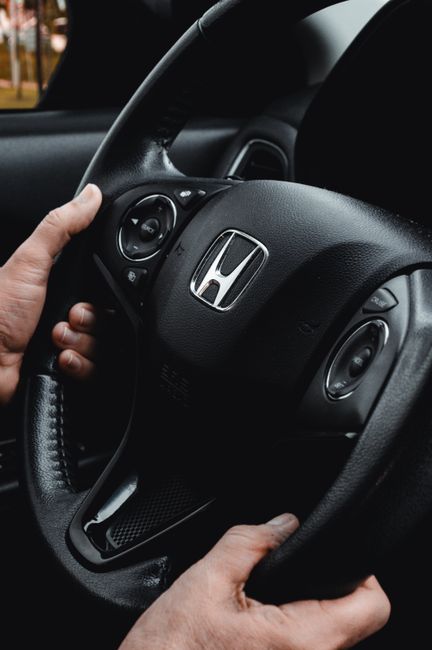
The steering wheel should be close enough that the elbows remain gently bent. Reaching for the wheel can strain the upper back and shoulders. If the wheel is too close, however, the arms and legs may feel cramped.
A small rolled towel or supportive cushion may help some people maintain a comfortable position, but it should not force the lower back into an exaggerated arch. Comfort and neutral alignment are more useful goals than rigid posture.
What helps during a long car commute?
Changing position is usually more helpful than trying to hold a perfect posture for the entire trip. On longer drives, stop safely and walk briefly when possible. A few minutes of easy movement can reduce stiffness in the hips, back, and legs.
While driving:
- Keep both hands relaxed rather than gripping the steering wheel tightly.
- Let the shoulders drop away from the ears.
- Avoid leaning toward the dashboard.
- Keep frequently used items within easy reach.
- Use mirrors that are properly adjusted so the head does not repeatedly turn or tilt.
- Avoid checking a phone, reading, or reaching into a bag while the vehicle is moving.
- At red lights or stopped traffic, gently relax the jaw and shoulders.
Cold weather can make muscles feel stiffer, particularly after spending time outdoors before entering a vehicle. Allowing a few minutes for the body to warm up and moving carefully at the start of the trip may be more comfortable than immediately forcing a deep stretch.
How can passengers reduce discomfort?
Passengers have more opportunities to shift position, but they can still develop pain by looking down, sleeping with the head unsupported, or carrying a bag in an awkward way.
Keep both feet supported when possible and change leg position periodically. A phone should be raised closer to eye level instead of held near the lap for long periods. If reading or working during travel, the material should be positioned high enough to avoid prolonged neck flexion.
A bag should be light enough to carry without leaning to one side. If a backpack is necessary, use both shoulder straps and adjust them so the load stays close to the body. A single shoulder bag can be moved from side to side rather than carried on the same shoulder for the entire trip.
What should commuters do while waiting or standing?
Standing still can be surprisingly tiring because the body must make small, continuous adjustments to maintain balance. Rather than locking the knees or leaning into one hip, keep the feet about hip-width apart and shift weight gently from one foot to the other.
If a stable surface is available, place one foot on a low ledge for a short period and then switch sides. This may reduce pressure through the lower back. Avoid leaning heavily on railings or poles if doing so causes the shoulders or spine to twist.
Weather can affect these habits. Rain, snow, ice, and wet pavement increase the need for shorter steps and careful footing. Slipping or suddenly catching a fall can strain the back, neck, wrist, or shoulder. Shoes with secure traction and keeping hands available for balance may reduce unnecessary risk during winter conditions.
Are stretches useful before or after commuting?
Gentle movement can help, but forceful stretching is not necessary. Before leaving, try a few controlled movements such as shoulder rolls, easy walking, ankle circles, or slow hip movements. These activities increase motion without placing the body under heavy load.
After commuting, light movement may help relieve stiffness:
- Walk for several minutes before sitting again.
- Perform gentle neck turns without forcing the head.
- Move the shoulders backward and downward.
- Slowly straighten and bend the knees.
- Use comfortable breathing to reduce tension in the chest and upper shoulders.
Stretching should feel mild rather than sharp, burning, or electric. A stretch that worsens symptoms or causes pain to travel down an arm or leg should be stopped.
When is commute-related pain a warning sign?
Occasional stiffness that improves after changing position is common. Persistent, worsening, or intense pain deserves more attention, especially when it affects normal walking, driving, sleeping, or work.
Prompt medical evaluation is appropriate for back or neck pain accompanied by significant weakness, numbness that progresses, loss of coordination, fever, unexplained weight loss, or pain following a major fall or collision. New problems with bladder or bowel control require urgent medical attention.
For recurring discomfort without warning signs, keeping a short record can help identify patterns. Note the type of travel, duration, bag weight, footwear, seating position, weather conditions, and when symptoms begin. This information may reveal whether the main issue is prolonged sitting, standing, walking, uneven carrying, or another factor.
How can commuters build better daily habits?
The most effective approach is usually a combination of small adjustments: set up the seat correctly, vary position, reduce unnecessary load, keep screens closer to eye level, and include brief movement before stiffness becomes severe.
A commute should not require complete stillness. The body generally tolerates travel better when movement is distributed throughout the day rather than saved for one strenuous exercise session. Regular walking, basic strengthening, and adequate rest can also improve tolerance for sitting, standing, and carrying.
For local residents managing seasonal weather, the safest routine may change throughout the year. Extra caution on wet or icy surfaces, layered clothing that does not restrict movement, and a few minutes of gentle motion after prolonged sitting can make everyday travel more comfortable.
